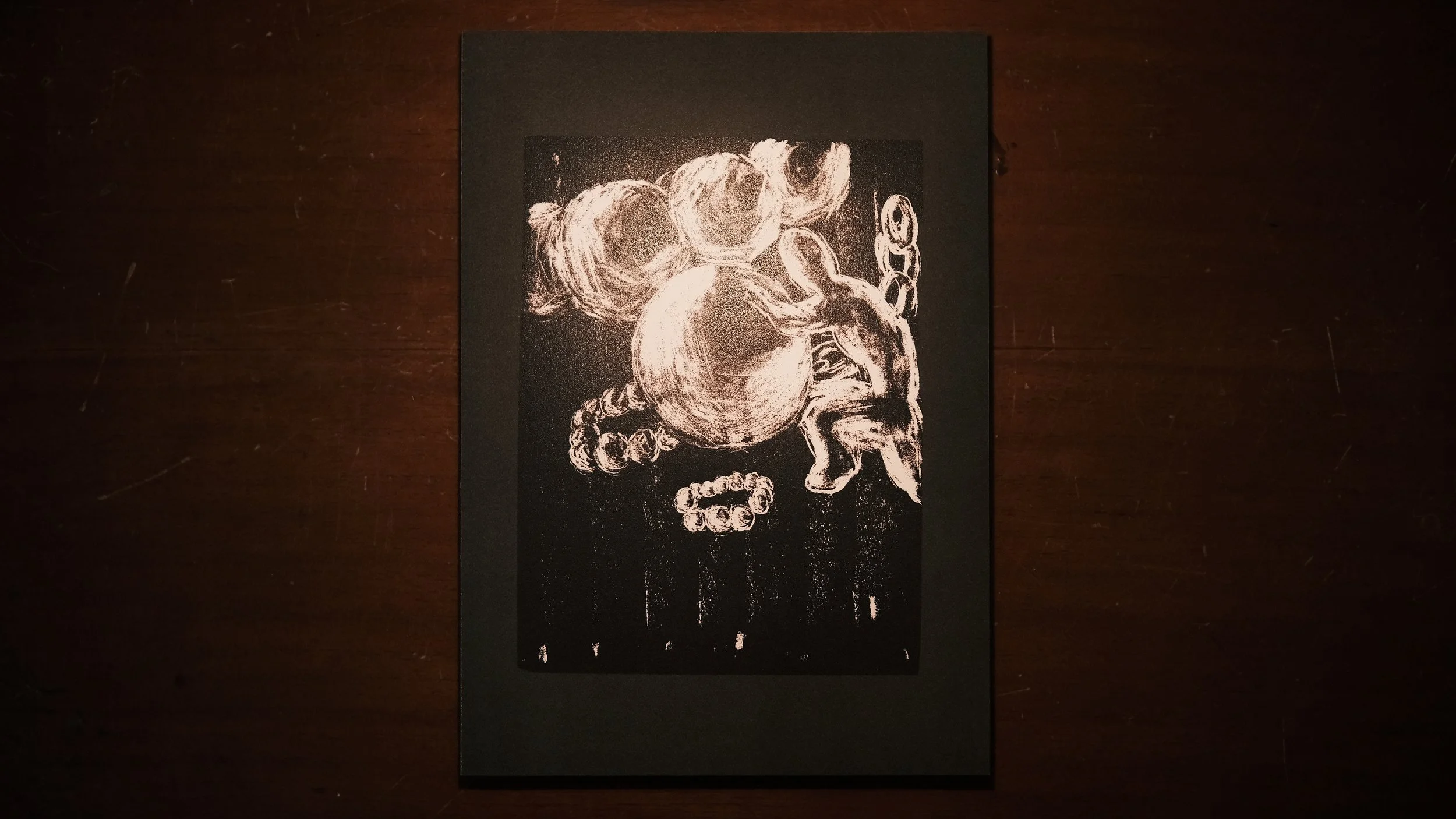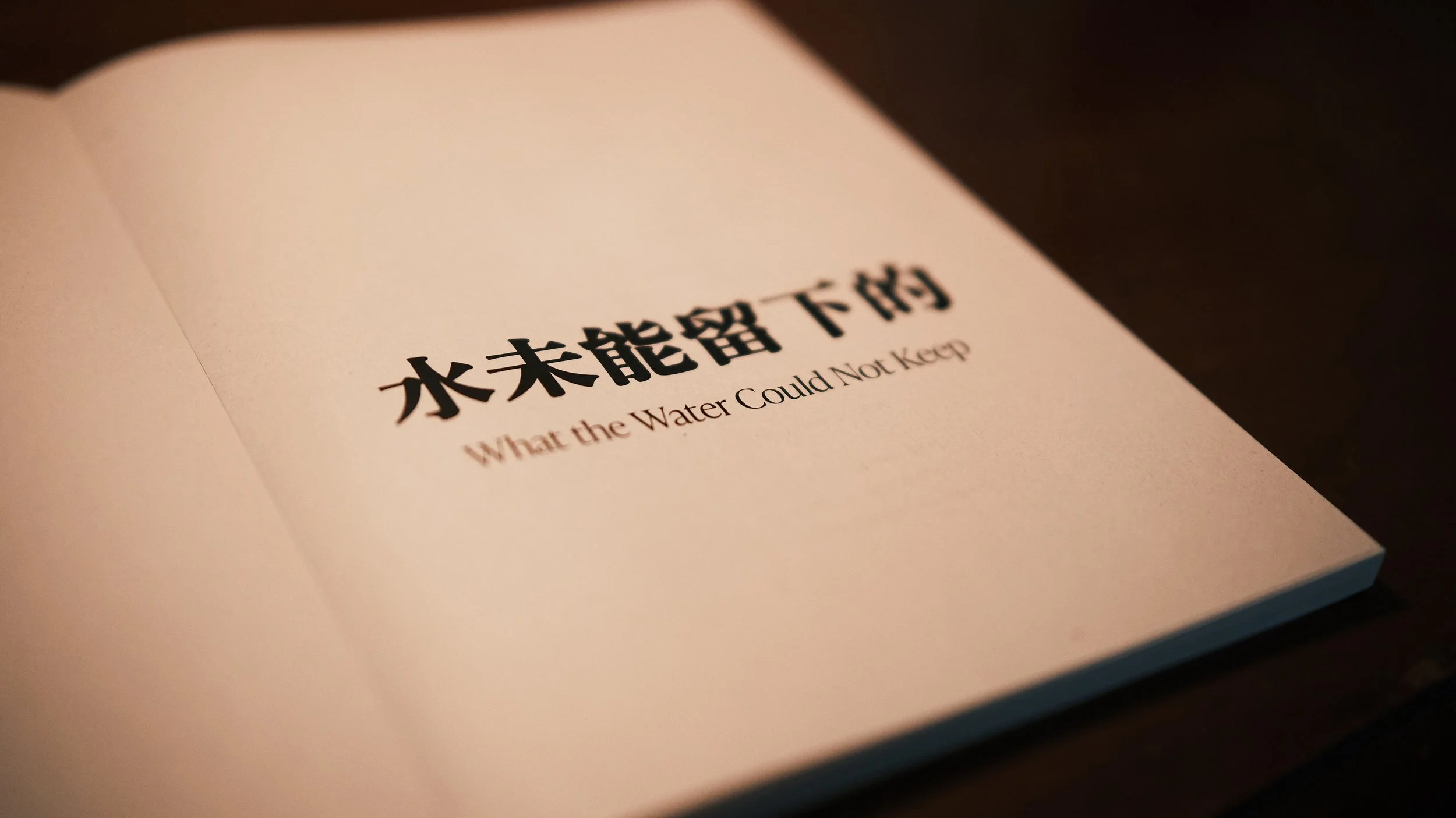
What the Water Could Not Keep
2026. 35mm & Medium Format Film Photography on Potato Starch & Newsprint Paper
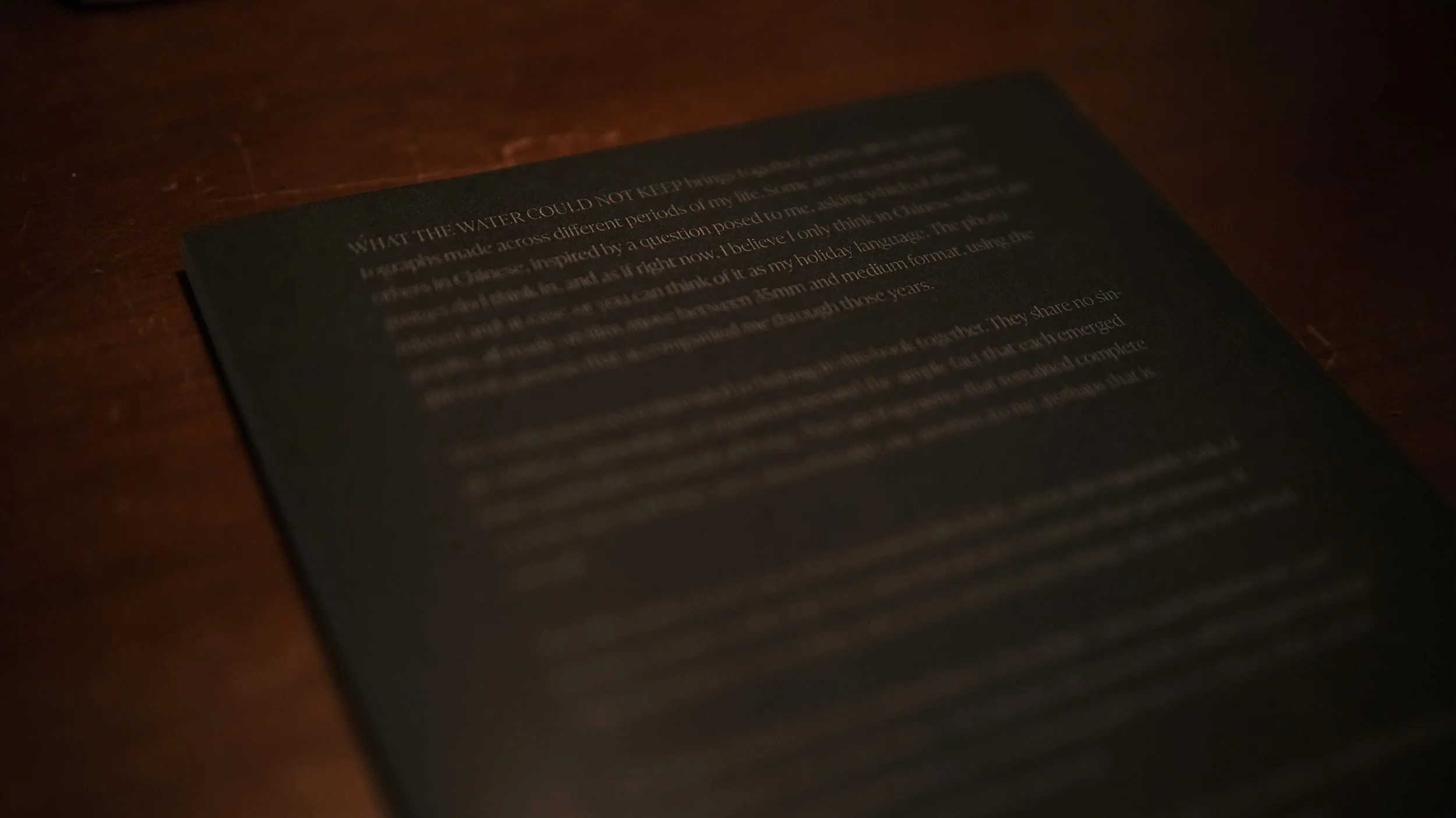
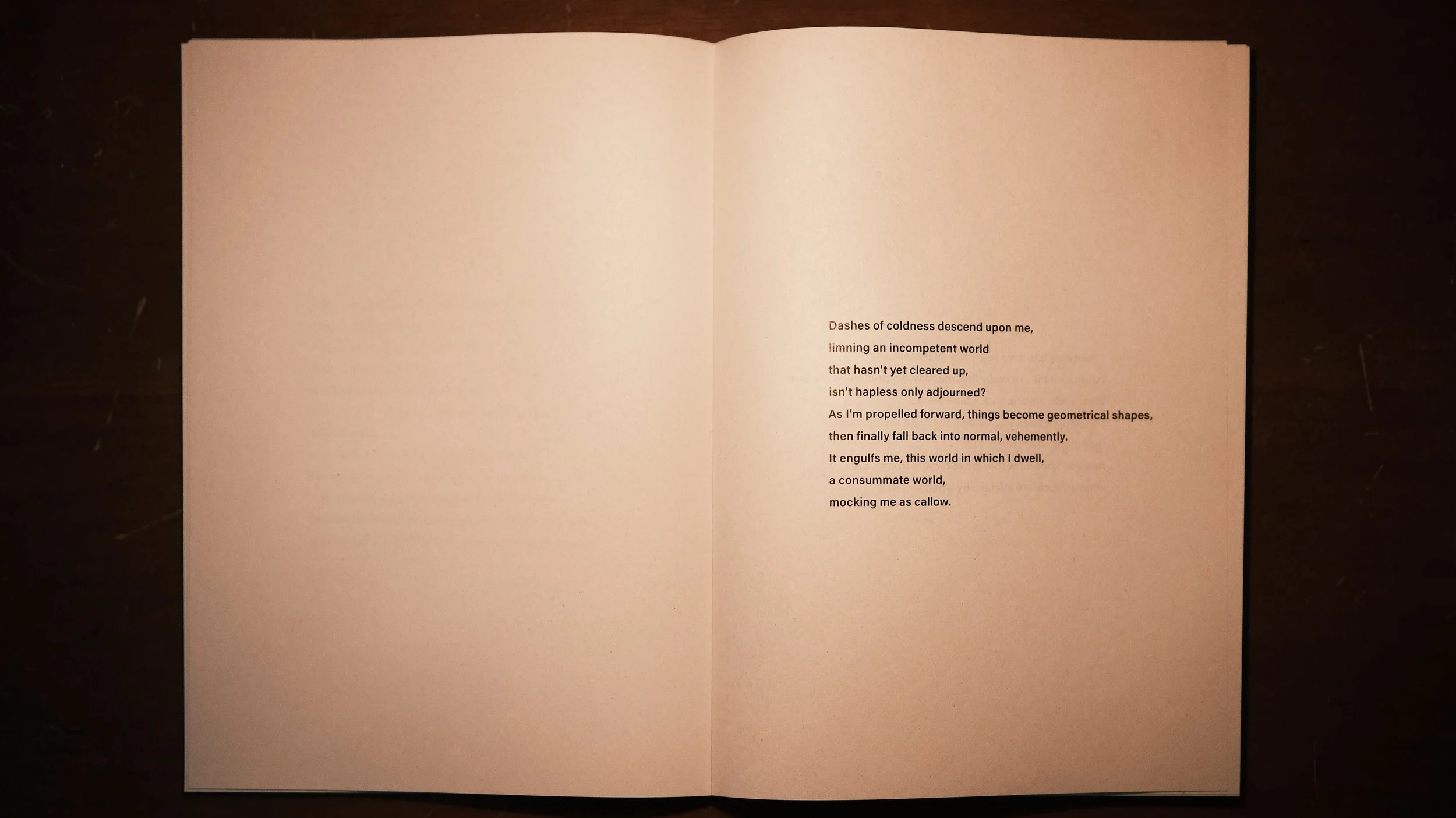
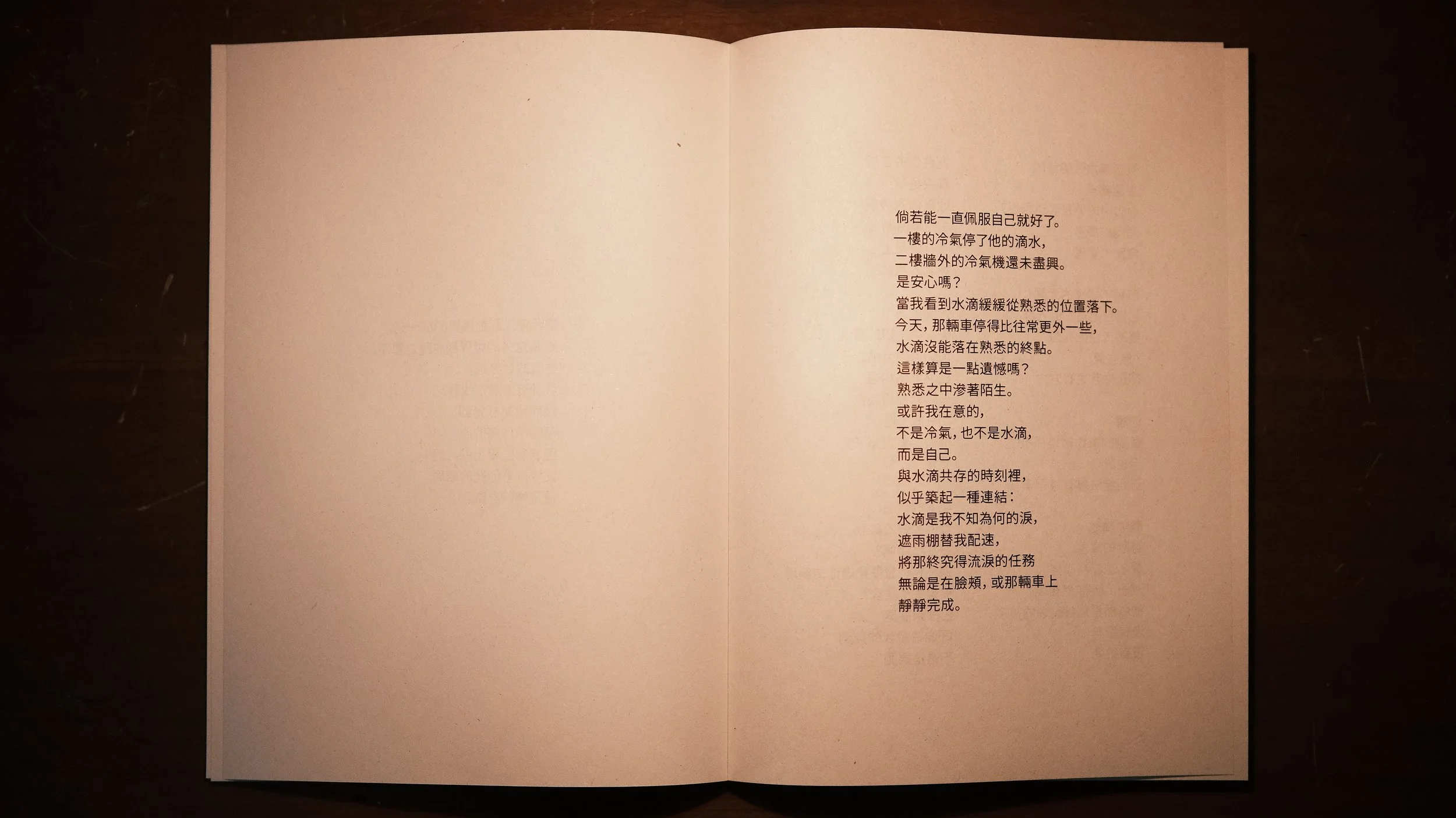
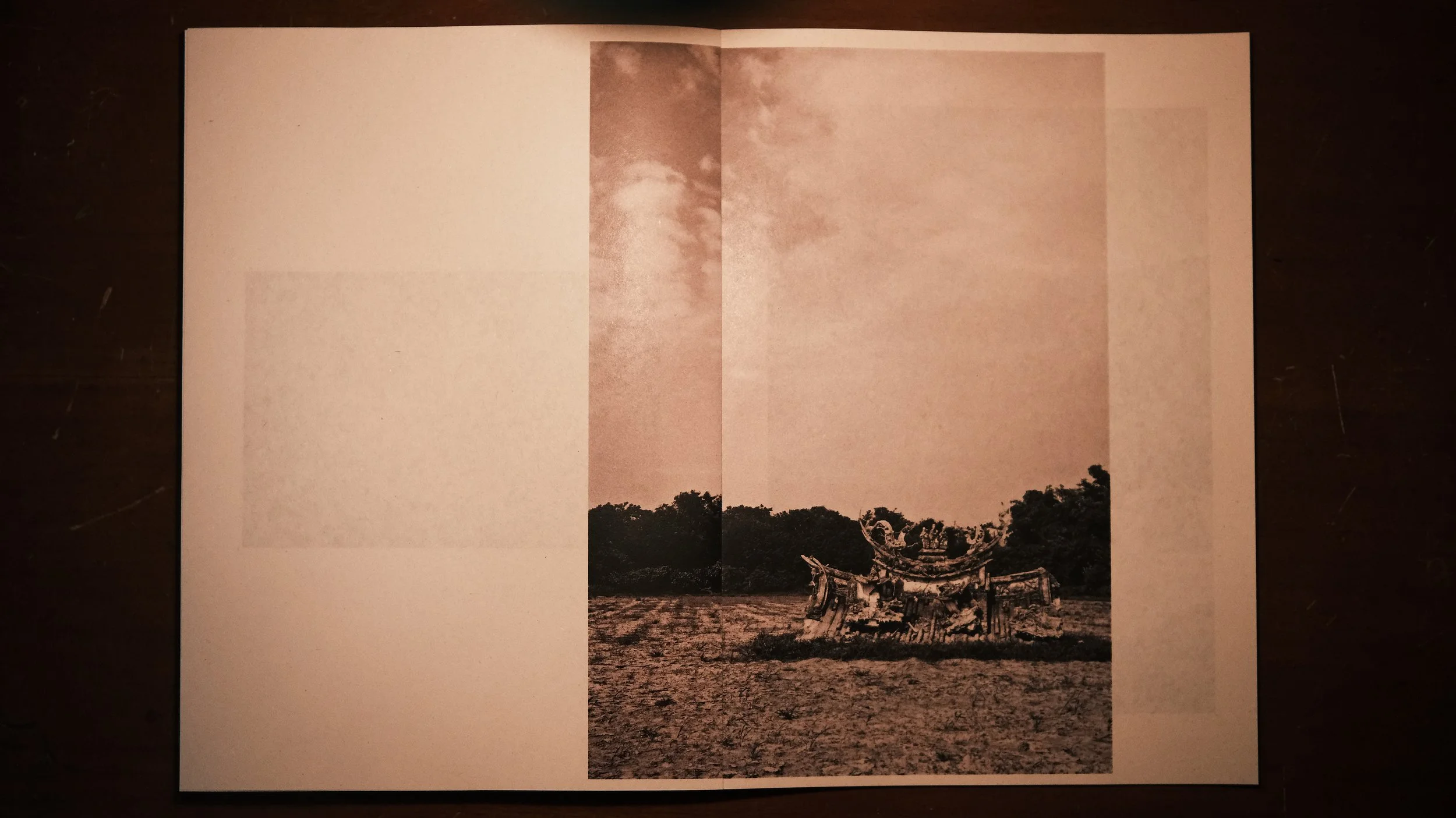
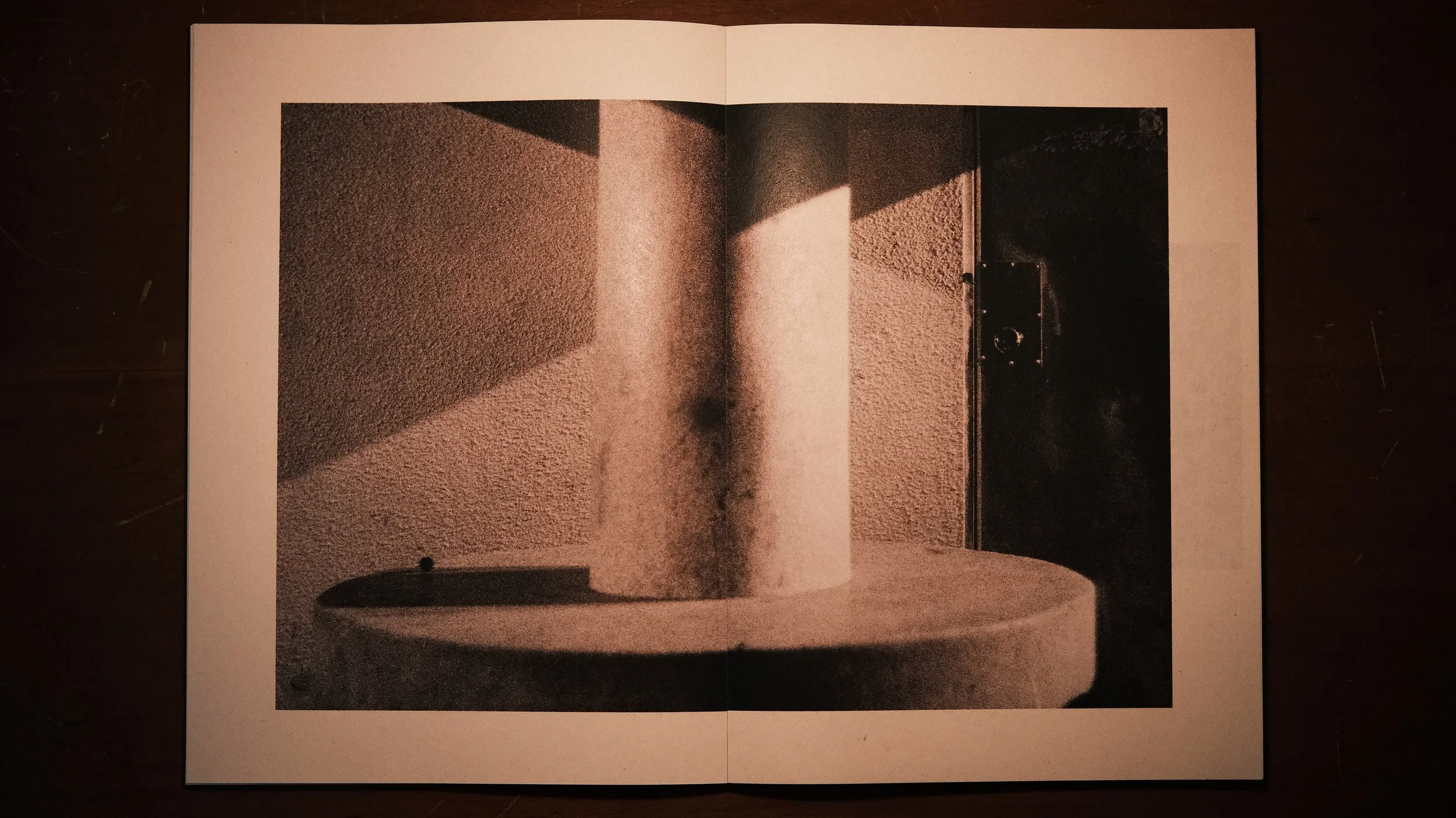
What the Water Could Not Keep brings together poems, prose, and photographs made across different periods of my life. Some are written in English, others in Chinese, inspired in part by a question once posed to me: which language do I think in? As of now, I believe I think in Chinese only when I am relaxed and at ease. I sometimes think of it as my holiday language. The photographs, all made on film, move between 35mm and medium format, using the different cameras that accompanied me through those years.
The works were never intended to belong in this book together. They share no single subject, chronology, or argument beyond the simple fact that each emerged from a particular moment of living. They are fragments that remained complete on their own until they were placed beside one another. To me, perhaps that is enough.
The title comes from one of the poems in the book, where the impossible task of melting a stone in still water becomes less about resolution than persistence. It suggests that not everything asks to be solved; some things ask only to be carried.
This understanding owes something to Heraclitus’ observation that no one ever steps into the same river twice. The person who wrote the earliest pages is no longer the one arranging them here. The photographs preserve places that can no longer be returned to in quite the same way.
The photographs themselves offer no people, only residues: evidence that someone, or something, has passed through this water.
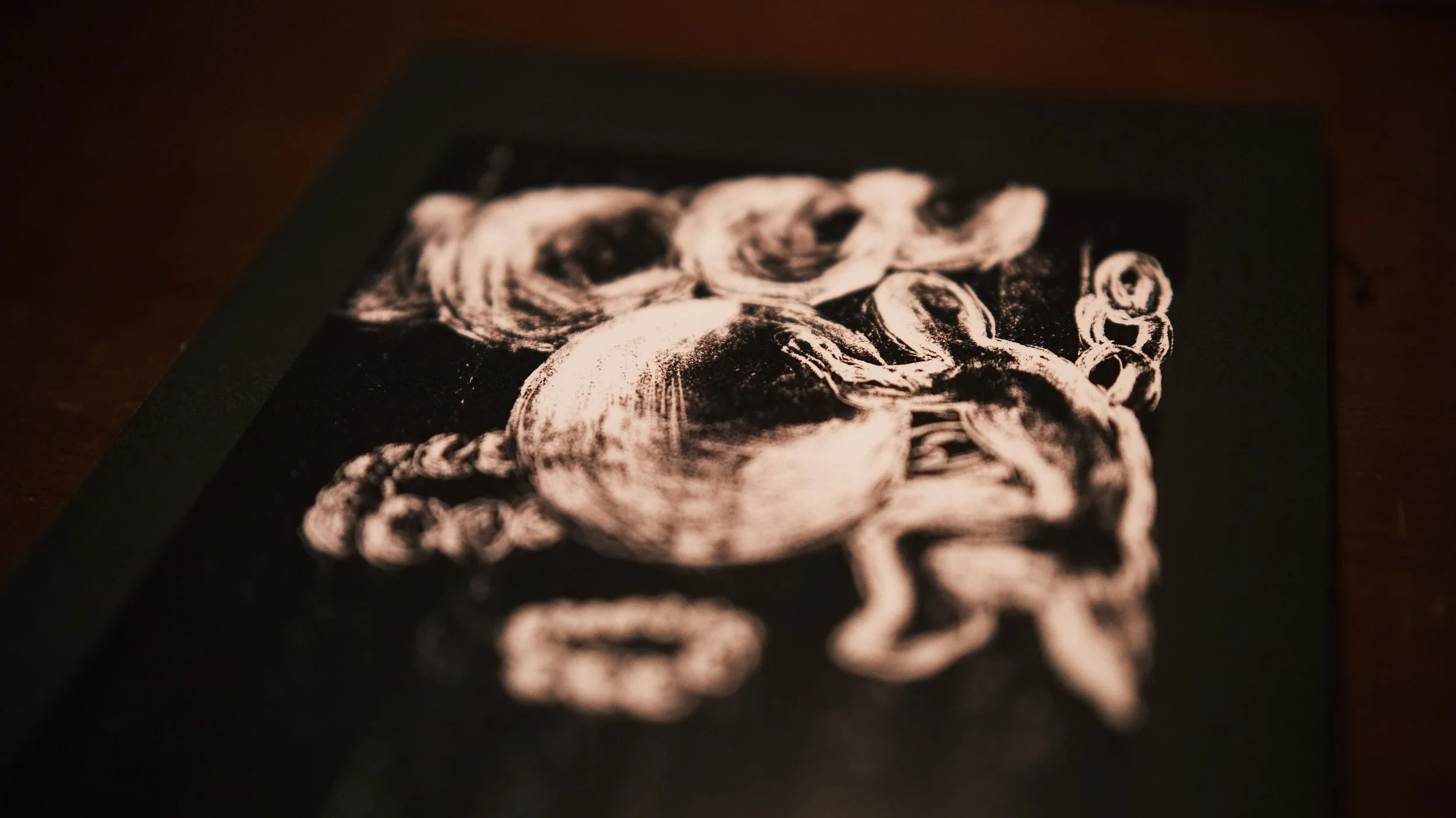
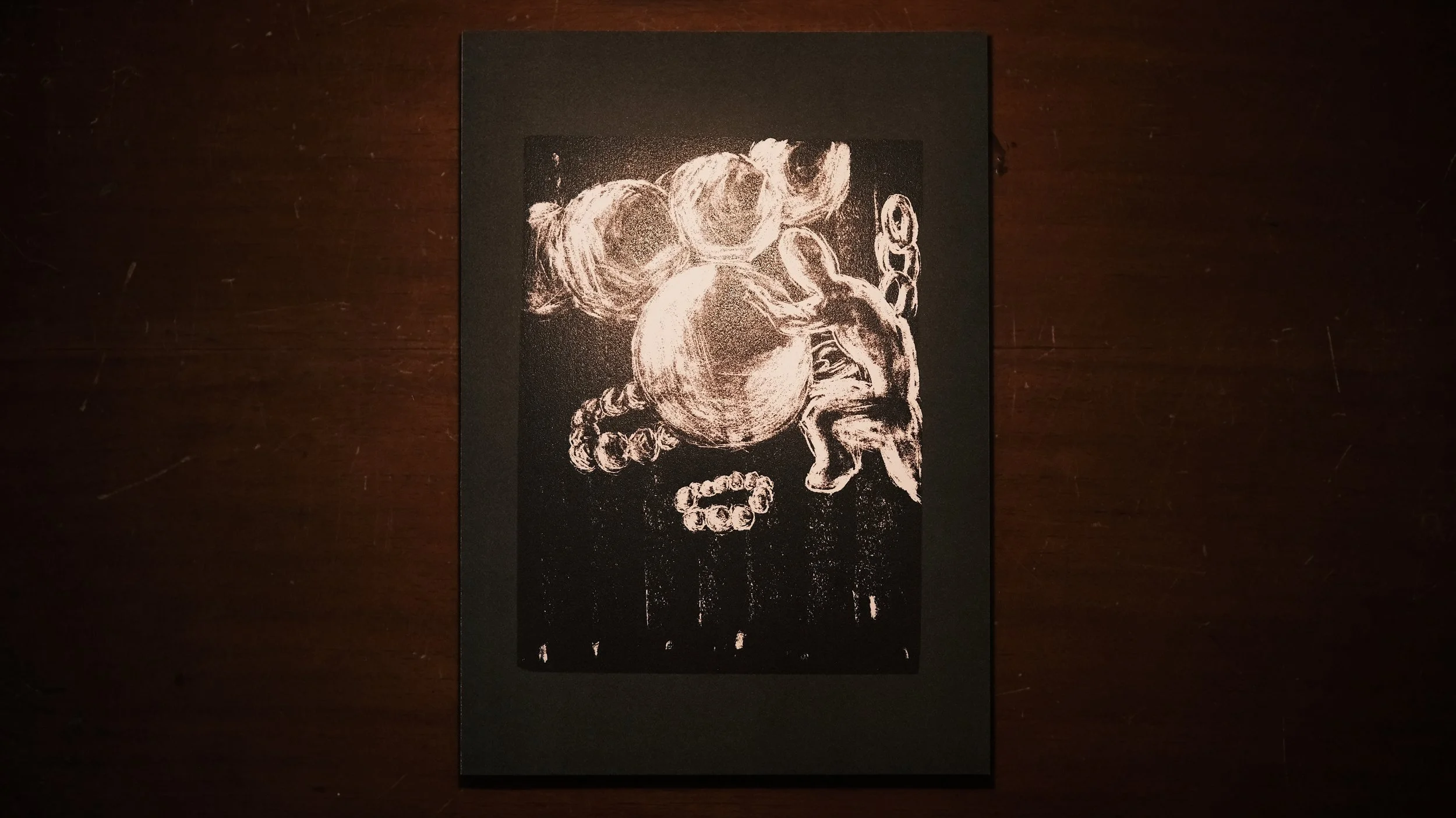
The physical construction of the book follows the same logic. Its materials were chosen deliberately for their inability to remain unchanged. The front and back covers are made from potato-starch paper, a material whose color gradually fades through exposure to touch and sunlight. The more the book is handled, carried, left out, and read, the further its cover moves away from the state in which it was first made.
Inside, the photographs and texts are printed on a thin, inexpensive paper reminiscent of newsprint and the test papers used in Taiwanese elementary schools. Its lightness and fragility stand in contrast to the permanence usually expected of a printed book. Rather than trying to preserve the work against time, the material allows time to become visible upon it.
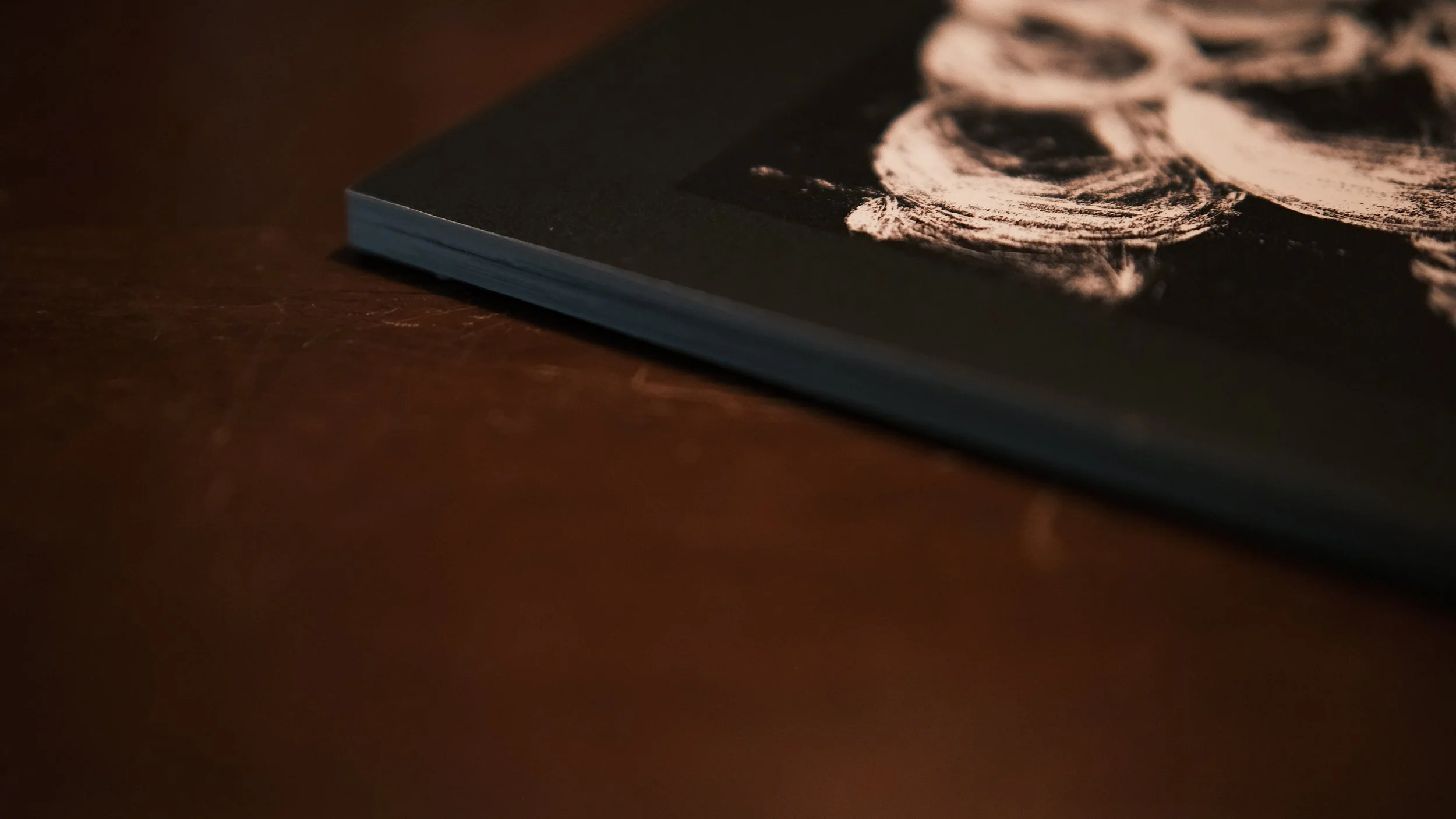
The binding is similarly precarious. It behaves almost like a stack of sticky notes: pages can be removed, intentionally or otherwise, and with enough handling may begin to loosen on their own. This construction allows the book to lie completely flat, which is necessary for photographs that extend across two-page spreads, but it also asks for a certain care from whoever holds it. To see an image completely, the book must be opened; in opening it, one also risks changing it.
Perhaps the pages will eventually begin to fall out.
If they do, I do not necessarily consider that a failure of the book. Maybe that is simply its fate.
Perhaps that is what this book gathers. Not what remained, but what could not be kept. Words written by someone I no longer entirely am. Photographs made in places I can never stand in again. A cover that fades with every hand that holds it. Pages that may one day separate from the object that once kept them together.